
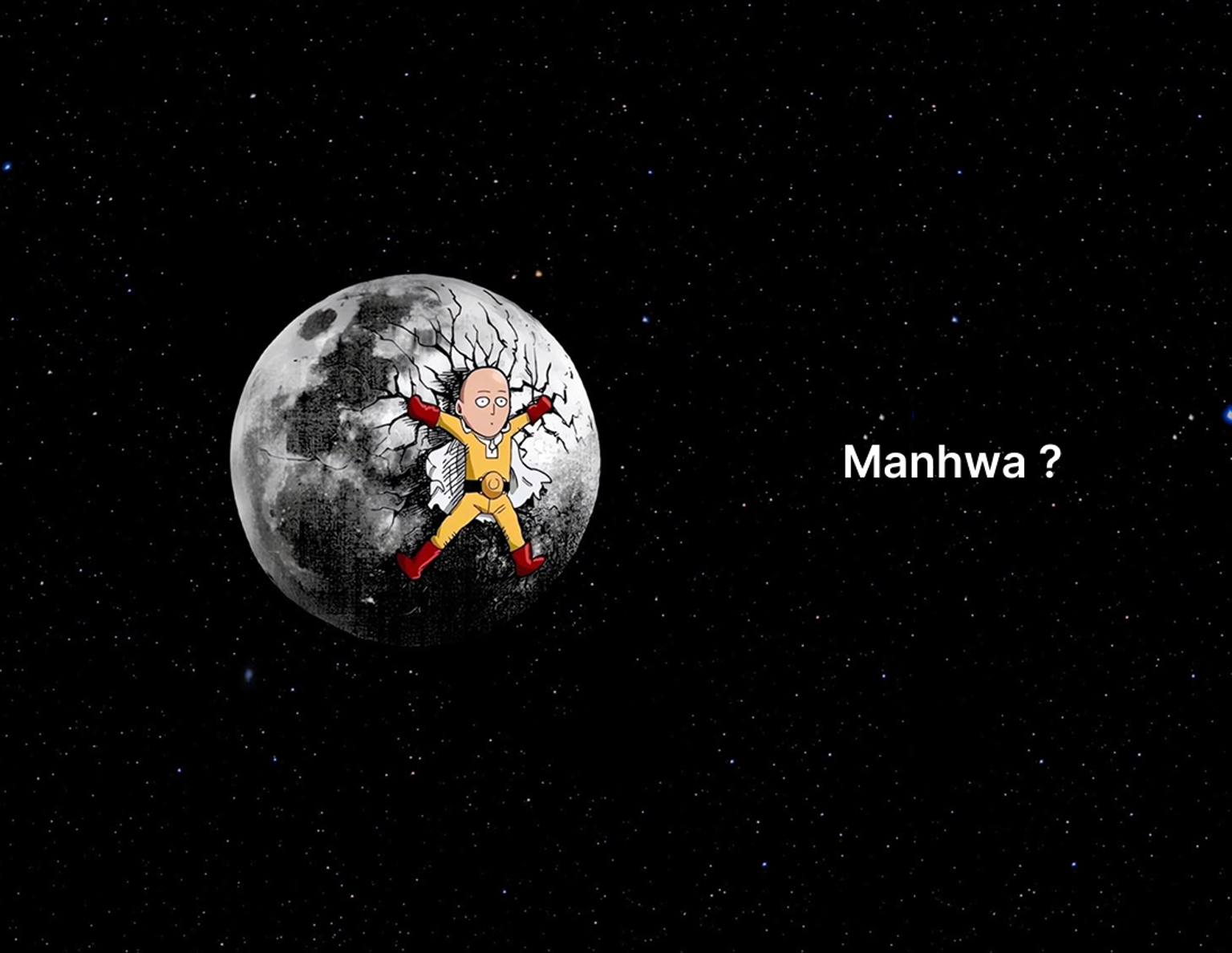
What is Manhwa ?
Manhwa is the Korean word for comics, but in modern usage it refers specifically to comics and graphic narratives created in South Korea. While the term itself simply means “comics,” manhwa today represents a distinct storytelling medium with its own history, industry, and creative identity. It encompasses both traditional printed comics and, more prominently, digital formats that are read online.
Historically, manhwa was published in print, much like comic books in other countries. These early works were often serialized in magazines or released as standalone volumes and were influenced by both Western comics and neighboring Asian comic traditions. Over time, however, manhwa developed its own voice, shaped by Korean culture, social themes, and local readership.
What makes manhwa distinctly Korean is not just its language, but the way it evolved alongside Korea’s rapid technological growth. As South Korea became one of the most connected countries in the world, manhwa shifted toward digital platforms, eventually giving rise to webtoons. This digital-first approach transformed how stories were structured, illustrated, and consumed, setting manhwa apart from other comic traditions.
Today, when people talk about manhwa, they are often referring to full-color, digitally published series designed for online reading. This evolution from print to digital is central to understanding what manhwa is and why it has become so influential worldwide.
Early History of Manhwa
The history of manhwa begins long before webtoons and smartphones. Early Korean comics emerged in the early 20th century, during a time of political instability and cultural transition. These early forms of manhwa were often published in newspapers and used illustration as a way to communicate ideas, humor, and criticism to a broad audience.
As manhwa developed throughout the mid-20th century, printed comics became a common form of entertainment in South Korea. Comic magazines and rental shops made Korean comics widely accessible, especially to younger readers. During this period, manhwa covered a wide range of genres, including comedy, historical stories, and socially grounded narratives that reflected everyday life in Korea.
Unlike many comic industries that evolved with relatively few restrictions, early manhwa was heavily shaped by political and cultural regulation. Government censorship influenced what could be published, limiting themes and artistic freedom. This pressure forced manhwa creators to become more subtle and creative in their storytelling, often relying on metaphor, symbolism, and indirect commentary rather than explicit expression.
This period of constraint had a lasting impact on manhwa’s identity. The emphasis on clear storytelling, emotional pacing, and reader accessibility did not disappear with the end of the print era. Instead, these qualities carried over into the digital age. When the internet began transforming media consumption in South Korea, manhwa was already structurally prepared to adapt, making its transition from print manhwa to digital webtoons feel natural rather than forced.
The Webtoon Revolution
The webtoon revolution did not happen overnight, but it can be traced to a clear period in time. The shift from print manhwa to digital formats began in the early 2000s, when widespread broadband internet made online content part of everyday life in South Korea. As readers spent more time online, comics naturally followed.
A major turning point came in 2003, when Korean internet portals began officially hosting serialized digital comics. This marked the first time manhwa was designed primarily for online consumption rather than adapted from print. In 2004, additional platforms adopted the format, signaling that digital manhwa was no longer experimental but commercially viable. By the mid-2000s, webtoons had become a recognizable and growing part of Korean pop culture.
What made webtoons revolutionary was not simply that they were digital, but that they were built specifically for screens. Vertical scrolling replaced page turns, allowing stories to flow naturally on computers and, later, smartphones. This fundamentally changed storytelling. Panel size, pacing, and suspense were redesigned around scrolling, making digital manhwa feel immersive and easy to consume in short sessions.
Accessibility also played a crucial role in the rise of webtoons. Many series were released for free, updated weekly, and distributed through platforms that removed the physical and financial barriers associated with print comics. This opened manhwa to a much wider audience, including casual readers who had never bought a comic book before.
The real acceleration happened in the early 2010s, when smartphones became ubiquitous. Mobile reading turned webtoons into a daily habit, and the vertical format proved perfectly suited for small screens. By this point, manhwa had fully embraced a digital-first identity. Rather than resisting technological change, Korean comics evolved alongside it, positioning webtoons ahead of global comic trends and setting the foundation for international expansion.
Modern Manhwa & Global Success
By the time webtoons became fully optimized for mobile reading, manhwa was no longer confined to South Korea. What began as a local digital experiment gradually turned into a global export. Translations, international platforms, and online communities introduced Korean comics to readers who had never engaged with manhwa before.
One of the defining traits of modern manhwa is its global accessibility. Digital platforms made it easy for international audiences to discover series simultaneously, often with official translations released shortly after the original chapters. This removed the long delays that traditionally separated domestic and overseas comic markets. For many readers outside Korea, webtoons became their first real exposure to manhwa.
Adaptations played a major role in accelerating this global reach. Popular manhwa began to receive animated series, live-action dramas, and streaming adaptations, bringing even more attention to their source material. These adaptations helped legitimize manhwa as a storytelling medium on par with other global entertainment formats, rather than a niche form of online comics.
At the same time, modern manhwa benefited from the rise of online fandom culture. Social media, forums, and recommendation-driven platforms allowed readers to share discoveries instantly. A successful series no longer relied solely on domestic popularity; international readers could drive visibility just as strongly. This global feedback loop pushed creators and platforms to think beyond national audiences from the very beginning.
Today, modern manhwa exists in a space where national boundaries matter less than ever. While its roots remain deeply Korean, its readership is global, its genres are diverse, and its influence continues to grow. This international success is not separate from manhwa’s digital origins but a direct result of them, paving the way for its dominance in the current comic landscape.
Why Manhwa is So Popular Today
The popularity of manhwa today is not the result of a single trend, but a combination of accessibility, format, and cultural timing. Modern manhwa is easy to discover, easy to read, and designed for the way people already consume content online. This alone gives it a significant advantage over more traditional comic formats.
One of the biggest factors behind manhwa’s success is its digital-first accessibility. Most webtoons can be read instantly on a phone, often for free, with new chapters released on a regular schedule. Readers do not need to visit a store, collect volumes, or commit to long reading sessions. This low barrier to entry has turned manhwa into a habitual form of entertainment rather than a niche hobby.
The visual presentation of manhwa also plays a major role. Full-color artwork, cinematic paneling, and vertical scrolling create an experience that feels closer to social media feeds than traditional comics. This makes manhwa particularly well-suited to short attention spans and mobile consumption, while still allowing for deep, serialized storytelling.
Modern distribution channels have amplified this effect. Social platforms, especially short-form video apps like Tiktok, have become powerful discovery engines for manhwa. Clips, recommendations, and dramatic panels circulate rapidly, introducing series to new audiences who might never actively search for comics. In this environment, a single viral moment can push a relatively unknown manhwa into global popularity.
Finally, manhwa thrives because of its genre diversity and reader-focused pacing. From action and fantasy to romance and slice-of-life, creators are not limited by traditional publishing constraints. While piracy and unofficial translations have played a role in exposure, they also highlight how demand often outpaces availability. Rather than slowing manhwa down, this demand signals how deeply integrated it has become in modern online culture.
Conclusion: What you should remember
Manhwa is more than just Korean comics or digital webtoons. It is a medium shaped by history, technology, and changing reading habits. From its print origins to its mobile-first evolution, manhwa adapted early and effectively to how people consume stories online.
This ability to evolve is what allowed manhwa to grow beyond South Korea and reach a global audience. Today, it stands as one of the most accessible and influential forms of serialized storytelling in the digital age.
If you want to understand manhwa beyond surface-level trends, this is only the starting point. Future guides will explore how manhwa compares to manga and manhua, as well as the genres and series that define it today. Welcome to The Manhwa Dude.
if you’re curious how manhwa differs from manga or manhua, we break it down in a dedicated guide - Manhwa vs Manga, Manhwa vs Manhua